Thinking of Buying an Older Home? The Asbestos Checklist You Need
Buying a home is one of the most exciting milestones in life, but if you are looking at properties built before the late 1980s, that dream home could come with a hidden, microscopic catch: asbestos.
Many buyers assume that a standard home inspection will catch any major hazards. However, general home inspectors are usually not required to test for hazardous materials. They look at structure and function, meaning dangerous materials can easily pass a standard walkthrough unnoticed.
If you are shopping around the older real estate market, here is the essential asbestos checklist you need to protect your health and your wallet before you sign the closing papers.
1. Know the "High-Risk" Areas
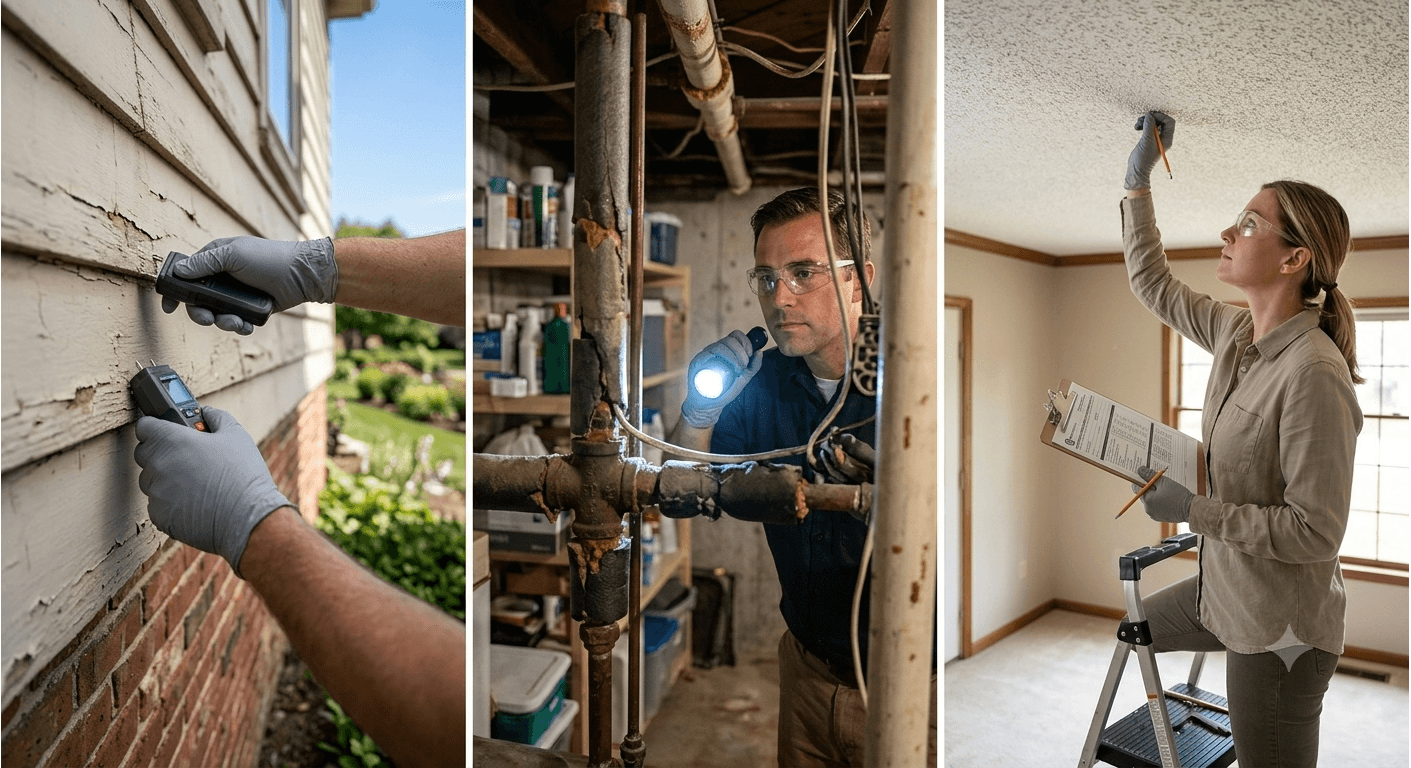
Asbestos wasn't just used in one or two products; it was mixed into hundreds of building materials for its fireproofing and insulating qualities. When touring an older home, pay extra attention to these three zones:
The Basement & Utility Room: Look at the plumbing and heating systems. Old boiler pipes wrapped in what looks like thick white blankets or corrugated paper are prime candidates for asbestos insulation.
The Ceilings: Walk through the rooms and check the textures. "Popcorn" or heavily textured acoustic ceilings from the 1950s through the 1980s frequently contain chrysotile asbestos.
The Flooring: If the basement or kitchen features old 9x9-inch vinyl tiles, treat them as a red flag. The black adhesive (mastic) underneath them is also highly likely to contain the material.
2. Schedule a Specialized Environmental Test
If the home profile matches the era of asbestos use, do not rely on guesswork.
Hire a Certified Inspector: Ask the seller for permission to have a certified asbestos inspector take physical samples. They use safe, "wet sampling" techniques to ensure no fibers are released into the air during the test.
Get a Lab Analysis: The samples are sent to a laboratory for Polarized Light Microscopy (PLM) testing. This is the only definitive way to know if asbestos is present and what percentage of the material it makes up.
3. Use the Results as a Negotiation Tool
Finding asbestos does not automatically mean you should walk away from your dream home. In fact, it can give you significant leverage at the negotiating table.
Estimate the Remediation Costs: Get a formal quote from a professional asbestos abatement company for what it would cost to safely remove or encapsulate the material.
Ask for Price Reductions or Credits: Present the quote to the seller. You can ask them to either have the asbestos professionally removed before the closing date (and provide a clean air clearance certificate) or lower the purchase price of the home to cover your future removal costs.
🛑 The Buyer's Golden Rule
Never plan a post-purchase renovation on an older home without checking for asbestos first. Budgeting for an inspection during your closing period ensures that a weekend DIY project won't accidentally turn into an expensive hazard for your family.
Be smart, buy with context, and always test before you finalize your investment.